
Australia has increased the application fee for the Temporary Graduate Visa (Subclass 485), also known as the post-study work visa. The change affects thousands of international students who plan to stay in Australia after completing their studies.
For many students, this visa is the next step after graduation. It gives them time to gain local work experience, build their careers, and, for some, explore long-term migration options.
The fee increase means it’s more important than ever to plan your finances before you graduate. Many students budget for tuition fees and living expenses but overlook the cost of applying for a graduate visa until the last minute.
If you’re studying in Australia or planning to apply for a student visa, here’s what you need to know.
Table of Contents
What Changed to the Subclass 485 Visa Fee in 2026?
The Temporary Graduate Visa fee has increased sharply.
The Australian Government has almost doubled the application fee for the Temporary Graduate Visa (Subclass 485).
| Before 2026 | From 2026 |
| Around AUD 2,300 | Around AUD 4,600 |
For many Indian students, that’s an increase from roughly ₹1.2–1.4 lakh to ₹2.5–3 lakh, depending on the exchange rate.
The visa application fee is only part of the total cost. You may also need to budget for:
- Overseas Student or visitor health insurance (where applicable)
- Medical examinations
- Police clearance certificates
- English language test (if required)
- Biometrics (if requested)
- Document translations
- Migration agent fees, if you choose to use one
By the time everything is complete, the overall cost can easily exceed ₹3.5 lakh.
What Is the Temporary Graduate Visa (Subclass 485)?
The Temporary Graduate Visa (Subclass 485) allows eligible international students to remain in Australia after completing an approved qualification.
Depending on the stream you qualify for and your individual circumstances, the visa may allow you to:
- Stay in Australia after graduation
- Work full-time
- Gain Australian work experience
- Improve your employability
- Build experience that may support future skilled migration pathways
Many graduates use this period to establish themselves professionally before deciding whether to return home or explore PR Pathways in Australia that suit their qualifications and work experience.
Why Did Australia Increase the Post-Study Work Visa Fee?
The fee increase is part of a broader series of immigration reforms introduced over the past two years.
The Australian Government has been making changes aimed at strengthening the integrity of the migration system.
Some of the reasons behind the increase include:
- Reducing non-genuine visa applications
- Managing migration numbers
- Recovering the administrative costs of processing visa applications
- Encouraging students to make informed study and career decisions
These changes don’t only affect the Subclass 485 visa. Student visas, migration rules, and compliance requirements have also become stricter, making it even more important to stay informed throughout your study journey.
Who Is Affected by the New Visa Fee?
The higher application fee mainly affects:
- International students completing their studies in Australia
- Students planning to apply for a Temporary Graduate Visa
- Graduates who want Australian work experience before applying for another visa
If you’re still deciding where to study, it’s worth including this additional cost in your overall budget. Many students compare tuition fees but forget to account for expenses they’ll face after graduation.
What Does This Mean for International Students?
The higher visa fee doesn’t mean Australia is no longer a good study destination.
It does mean you’ll need a more realistic financial plan.
One mistake many students make is focusing only on:
- Tuition fees
- Accommodation
- Food
- Daily expenses
Later, they discover additional costs such as:
- Graduate visa applications
- Skills assessments
- Professional registrations
- Job search expenses
- Relocation costs
- English language tests or document updates
Planning for these expenses early can make the transition from student life to full-time work much less stressful.
Should You Still Study in Australia?
For many students, the answer is still yes.
Australia continues to offer:
- Internationally recognised qualifications
- Strong graduate employment opportunities in many industries
- A multicultural environment
- Access to post-study work opportunities
- Potential long-term migration pathways for eligible graduates
However, studying in Australia should be viewed as a long-term investment rather than a short-term opportunity.
Before making your decision, ask yourself:
- Does this course match my career goals?
- Are there good job opportunities after graduation?
- Can I afford both my studies and post-study expenses?
- Do I have emergency savings if unexpected costs arise?
If you’re still comparing destinations or preparing your application, it’s also worth understanding the latest Australia Student Visa Requirements so you know what to expect before you arrive.
How Much Money Should You Save Before Graduation?
Many students wait until their final semester to think about post-study work visa costs.
A better approach is to build your savings gradually throughout your studies.
For example:
- Save a fixed amount every month specifically for future visa expenses.
- Avoid relying entirely on income from part-time work.
- Keep an emergency fund for unexpected costs.
Even modest monthly savings can reduce financial pressure when it’s time to apply for your graduate visa.
How Can You Improve Your Chances After Graduation?
Getting the Subclass 485 visa is only one part of your journey.
Your goal should be finding stable employment after graduation.
Some practical ways to improve your prospects include:
Choose a Course with Strong Employment Outcomes
Before enrolling, research:
- Graduate employment rates
- Average starting salaries
- Industry demand
- Skills shortages
Choosing a course simply because it’s cheaper may not deliver the career opportunities you’re hoping for.
Gain Work Experience While Studying
Australian employers often value practical experience.
Try to build your resume through:
- Internships
- Part-time work
- Industry placements
- Volunteer roles
- Casual employment related to your field
Real workplace experience can make a significant difference when applying for graduate jobs.
Learn About the Australian Job Market Early
Don’t wait until graduation to begin your job search.
Start networking, improving your resume, and understanding employer expectations while you’re still studying.
Our complete guide to Jobs in Australia covers popular industries, salary expectations, and employment opportunities for international graduates.
Keep Up With Immigration Changes
Australian visa rules can change with little notice.
Check official government updates regularly instead of relying only on social media or unofficial advice.
Being aware of policy changes early can help you prepare the right documents and avoid unnecessary delays.
What Documents Are Usually Needed for a Subclass 485 Visa?
Requirements may vary depending on your situation, but applicants commonly need:
- A valid passport
- Proof of completing an eligible Australian qualification
- English language evidence (where required)
- Health insurance
- Health examination results (if requested)
- Police clearance certificates
- Identity documents
- Recent photographs
Always confirm the latest document requirements before submitting your application, as immigration rules may change.
Can You Avoid Paying the New Visa Fee?
No.
The application charge is set by the Australian Government and applies to eligible applicants.
If you’re planning to apply after graduation, the best approach is to include the fee in your study budget from the beginning instead of trying to arrange the money at the last minute.
Is the Higher Fee Worth Paying?
That depends on your career plans.
For graduates who secure full-time employment in Australia, the cost may be recovered relatively quickly through their earnings.
However, if you haven’t researched your industry, have limited job prospects, or don’t have a clear plan after graduation, the higher fee becomes a much bigger financial burden.
Think beyond the visa itself.
Ask yourself:
- Will this qualification improve my career opportunities?
- Is my occupation in demand?
- Can I realistically find graduate employment?
- Am I prepared for all the costs involved, not just tuition?
The answers to these questions are often more important than the visa fee alone.
Final Thoughts
The increase in Australia’s post-study work visa fee is significant, but it doesn’t change the value of studying in Australia for students with a well-planned career path.
The biggest difference between students who struggle and those who settle successfully usually isn’t luck. It’s preparation.
Understand the full cost of studying overseas before you leave home. Budget for tuition, accommodation, everyday living expenses, and future immigration costs—not just your first semester.
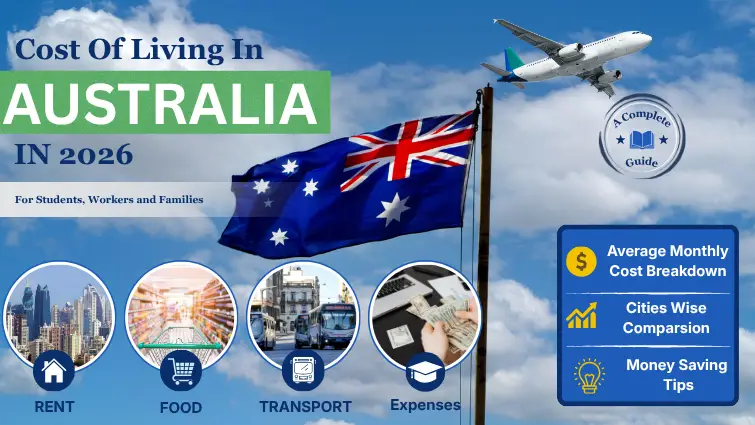
If you’re planning your finances, our guide to the Cost of Living in Australia for International Students can help you estimate monthly expenses and build a realistic budget before graduation.
With careful planning, the higher Subclass 485 visa fee becomes another expense to prepare for, rather than an unexpected obstacle.
FAQs
Why did Australia increase the post-study work visa fee?
To control migration, reduce misuse, and increase revenue from international students.
Can I avoid paying this fee?
No. This is a mandatory government fee for the post-study work visa.
Is Australia still worth it after the increase in post-study work visas?
Yes, if your course leads to a job and you have proper financial planning.
Should I save money for the Subclass 485 visa while studying?
Yes. Many students find it helpful to include future visa costs in their overall study budget rather than waiting until graduation.
Can the Subclass 485 visa lead to permanent residency?
The Temporary Graduate Visa does not provide permanent residency on its own. However, many graduates use the work experience gained during this visa to become eligible for other skilled migration pathways, depending on their occupation and circumstances.