
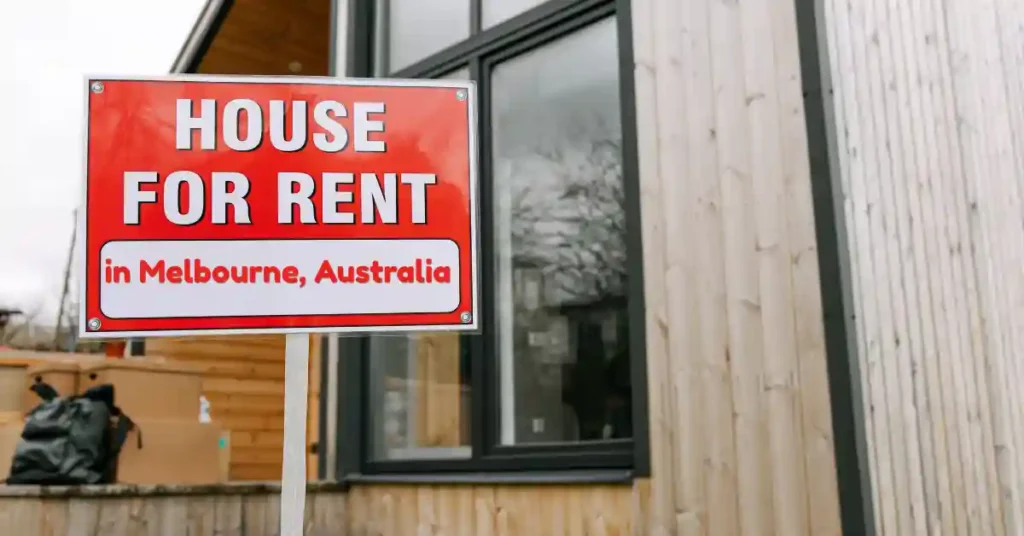
Melbourne is one of Australia’s most popular cities for international students, skilled workers, and families. It offers well-known universities, a strong job market, reliable public transport, and diverse neighborhoods. But before moving, there is one cost that most people want to understand first, rent.
If you’re researching rent in Melbourne in 2026, you’re probably trying to work out how much you need to budget each month. Housing is usually the biggest expense for anyone living in Australia, and Melbourne is no exception.
When I first started comparing rental prices across Melbourne, I noticed that costs could vary a lot between suburbs. In some cases, moving just a few train stations away from the city center could save hundreds of dollars each month. That made me realize that choosing the right suburb is just as important as choosing the right apartment or house.
This guide covers everything you need to know about rent in Melbourne, Australia, in 2026. You’ll learn about apartment rental costs, flats in Melbourne rent prices, housing expenses by suburb, student accommodation options, family homes, rental requirements, and practical ways to reduce your living costs.
Whether you’re looking for apartments to rent in Melbourne, flats to rent in Melbourne, Australia, or a house for rent in Craigieburn, Melbourne, this guide will help you understand the local rental market and create a realistic budget.
Average Rent in Melbourne Australia 2026
Melbourne rental prices depend on location, property size, demand, and access to transport.
The table below provides a general guide to rental costs in 2026.
| Property Type | Weekly Rent (AUD) |
|---|---|
| Shared Room | $220 to $400 |
| Studio Apartment | $400 to $650 |
| One Bedroom Apartment | $500 to $800 |
| Two Bedroom Apartment | $650 to $1,000 |
| Three Bedroom House | $750 to $1,400 |
| Family Home | $900 to $2,000+ |
These prices can change depending on the suburb and market conditions.
Rent in Melbourne by Property Type
Apartments Rent in Melbourne
Apartments remain one of the most common housing choices for students and professionals.
A one bedroom apartment in Melbourne usually costs between $500 and $800 per week. Apartments in the CBD, Southbank, Docklands, and Carlton are often more expensive because of their proximity to universities, offices, and transport links.
Many renters choose apartments because they require less maintenance and are often located close to city amenities.
Flats in Melbourne Rent
The terms “flat” and “apartment” are often used interchangeably in Australia.
Flats in Melbourne rent prices generally depend on location and building age. Older flats in established suburbs may offer more space for a lower price than newer apartment developments.
Popular suburbs for flats include:
- Brunswick
- Footscray
- Coburg
- Preston
- St Kilda
- Richmond
Flats to Rent in Melbourne Australia
Many international students search for flats to rent in Melbourne Australia because they offer a balance between affordability and privacy.
Weekly rents for flats typically range from $450 to $750 depending on the suburb and size of the property.
Sharing a flat with friends is also common and can significantly reduce housing costs.
Cheapest Suburbs to Rent in Melbourne
Not everyone wants to pay inner-city rental prices.
Some of Melbourne’s more affordable suburbs include:
- Werribee
- Melton
- Broadmeadows
- Craigieburn
- St Albans
- Frankston
- Sunbury
These suburbs generally offer lower rents while still providing access to public transport and essential services.
During my research, I noticed that suburbs further from the CBD often provide larger homes and better value for families compared to inner-city areas.
House for Rent in Craigieburn Melbourne
Craigieburn has become one of Melbourne’s most popular suburbs for families and new migrants.
People searching for a house for rent in Craigieburn Melbourne are often looking for:
- Larger homes
- Family-friendly communities
- Affordable housing
- Schools and parks
- Good transport connections
Rental prices for houses in Craigieburn typically range from $550 to $850 per week depending on property size and location.
Compared to many inner Melbourne suburbs, Craigieburn often provides better value for families needing extra space.
Most Expensive Areas to Rent in Melbourne
Some Melbourne suburbs command premium rental prices because of location and lifestyle.
Examples include:
- South Yarra
- Toorak
- Brighton
- Albert Park
- Melbourne CBD
- Docklands
- Hawthorn
These suburbs are popular with professionals and renters who want easy access to the city centre.
Student Accommodation in Melbourne
Melbourne is home to thousands of international students every year.
Students generally choose one of four accommodation options.
Shared Accommodation
Shared housing remains the most affordable choice.
Typical rent:
- $220 to $400 per week
University Accommodation
Purpose-built student accommodation provides convenience but usually costs more.
Typical rent:
- $300 to $650 per week
Private Apartment
Students who prefer privacy often choose private apartments.
Typical rent:
- $500 to $800 per week
Homestay
Some students choose to live with local families.
Typical rent:
- $280 to $450 per week
Additional Housing Costs
Rent is only one part of your housing budget.
Other common expenses include:
| Expense | Monthly Cost (AUD) |
|---|---|
| Electricity | $80 to $200 |
| Gas | $40 to $120 |
| Internet | $60 to $100 |
| Mobile Plan | $20 to $60 |
| Water | Often included |
| Contents Insurance | Optional |
These costs can vary depending on household size and usage.
Bond and Rental Requirements
Most Melbourne landlords require tenants to pay a bond before moving in.
The bond is usually equal to four weeks of rent.
You may also need:
- Passport or photo ID
- Proof of income
- Employment details
- Bank statements
- Rental references
Preparing these documents in advance can make the rental application process easier.
Tips to Save Money on Rent in Melbourne
If you’re moving to Melbourne, these strategies may help reduce housing costs:
- Share accommodation with roommates
- Compare multiple suburbs
- Live near public transport
- Start searching early
- Set a realistic budget
- Consider suburbs outside the CBD
One thing I learned while researching Melbourne rentals is that transport access often matters more than distance. Some outer suburbs have excellent train connections, making them practical and affordable choices.
Is Melbourne More Affordable Than Sydney?
In many cases, yes.
Melbourne generally offers lower rental prices than Sydney, particularly for apartments and family homes. While some premium suburbs are expensive, renters often have more affordable options across Melbourne’s outer and middle-ring suburbs.
For students and families working with a limited budget, Melbourne can provide good value compared to Australia’s largest city.
Final Thoughts
Rent in Melbourne Australia in 2026 remains one of the most important costs to consider before moving. Housing prices vary significantly between suburbs, property types, and locations.
Whether you’re searching for apartments rent in Melbourne, flats in Melbourne rent options, flats to rent in Melbourne Australia, or a house for rent in Craigieburn Melbourne, taking time to compare suburbs and understand local rental trends can help you make better decisions.
Rent is also one of the biggest factors affecting the overall cost of living in Melbourne. For most students, workers, and families, housing takes the largest share of their monthly budget. Understanding rental costs before you move can help you estimate your total living expenses more accurately.
A clear budget, early planning, and flexibility with location can make finding affordable housing much easier. And in my experience, spending a little extra time researching suburbs before signing a lease is often worth it in the long run.
If you’re planning your move, I also recommend reviewing a detailed Cost of Living in Melbourne guide. Looking at rent, transport, groceries, utilities, and other everyday expenses together will give you a more realistic picture of what life in Melbourne may cost in 2026.